What instruments use reeds?
Written By: Ginger
What is a reed?
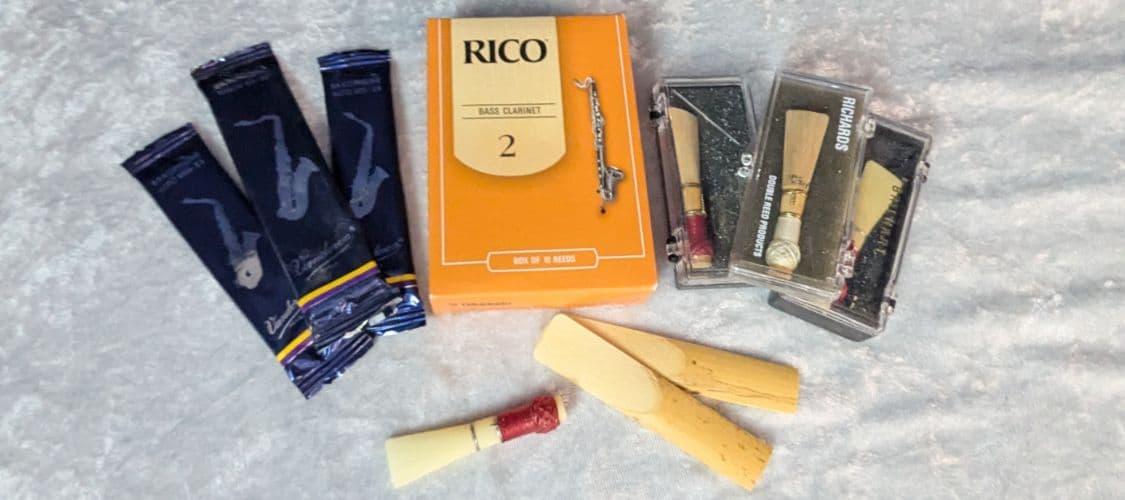
A reed is a thin piece of material placed inside a mouthpiece or directly onto the instrument, commonly made from Arundo Donax cane, bamboo, wood or synthetic substances. This piece of material vibrates to create sound in specific woodwind instruments. There are numerous instruments that use a reed, some of those even have a double reed set up to create the vibration needed for their iconic sound.
Single Reed Instruments
Single reed instruments include clarinets, saxophones and some antique instruments. The single reed consists of one piece of cane or synthetic material that is placed in the mouthpiece that is attached to the neck of the instrument. The single reed works like a flap opening and closing as air is pushed through the mouthpiece, the reed vibrates against the tip of mouthpiece to create that sound. This allows for a variety of sound and tonal variations. The embouchure style, types of mouthpieces, breathwork and control of single reeds instruments greatly differs from double reed instruments.
Double Reed Instruments
Double reed instruments are the oboes, English horns, basset horns and bassoons. The double reed consists of two pieces of cane or synthetic material and works by the two reeds vibrating against each other when air is pushed through. This type of reed does not use a mouthpiece and the double reed is placed directly onto the instrument. Most of these types of instruments require a bocal instead of a mouthpiece, this is a thin metal tube in which the reed is placed directly onto. Double reed instruments are considered more difficult to play and need much more complex breathwork and control.
Cane or Synthetic Material?
Traditionally all reeds were made from Arundo donax cane which is derived from a natural grass. Growing conditions and drying techniques can greatly affect the quality of reeds and no two reeds are exactly the same. The sound of a natural reed has a very warm rich sound and a dynamic response when being played. This is much preferred by professionals and experienced players. Synthetic reeds are typically made from materials containing polypropylene and polymer fibers. While these greatly mimic the sound, some report they still lack the warmth and depth cane reeds can produce. Synthetic reeds will not warp or crack due to climate conditions or improper care which can be preferred by beginners and players wanting a lower maintenance reed.
Reed Care
Cane reeds require care and maintenance to perform well, even a well-cared for reed will only last so long with regular use. Unlike synthetic reeds, cane reeds need a break in period before they can be used and soaked properly before playing. Cane reeds can warp and crack due to climate conditions, so they need to be cared for and stored properly to maintain longevity. Synthetic reeds do not have these issues which can make them favorable for outdoor performances. They can last up to months without warping or cracking, and do not need to be soaked. Manufacturers are able to produce them with greater consistency, but cane reeds are still the most popular for that iconic warm sound that cannot be quite mimicked by synthetic materials. Ultimately with all instruments whether they use a reed or not, proper care and maintenance is required for longevity of your instrument. Single and double reed instruments despite using similar materials, create vastly different sounds, click here to check out some of our YouTube videos to hear single reeds used in saxophones.
Even though today all types of reeds are commercially produced, there are some professional oboe, bassoon and English horn players who still prefer the art of cutting and wrapping their own double reeds to produce the exact tone they want.
Notably Yours,
Musical Instrument City